
Our Product

Philosophy

Acres of Ice builds modular water systems designed for repeatable deployment in high-altitude regions.

Each solution integrates structural components, automated controls, and remote monitoring, enabling reliable performance across seasons.

Systems are delivered as deployable kits and can operate independently or with installation and monitoring support..

Automated 
Ice Reservoir (AIR)

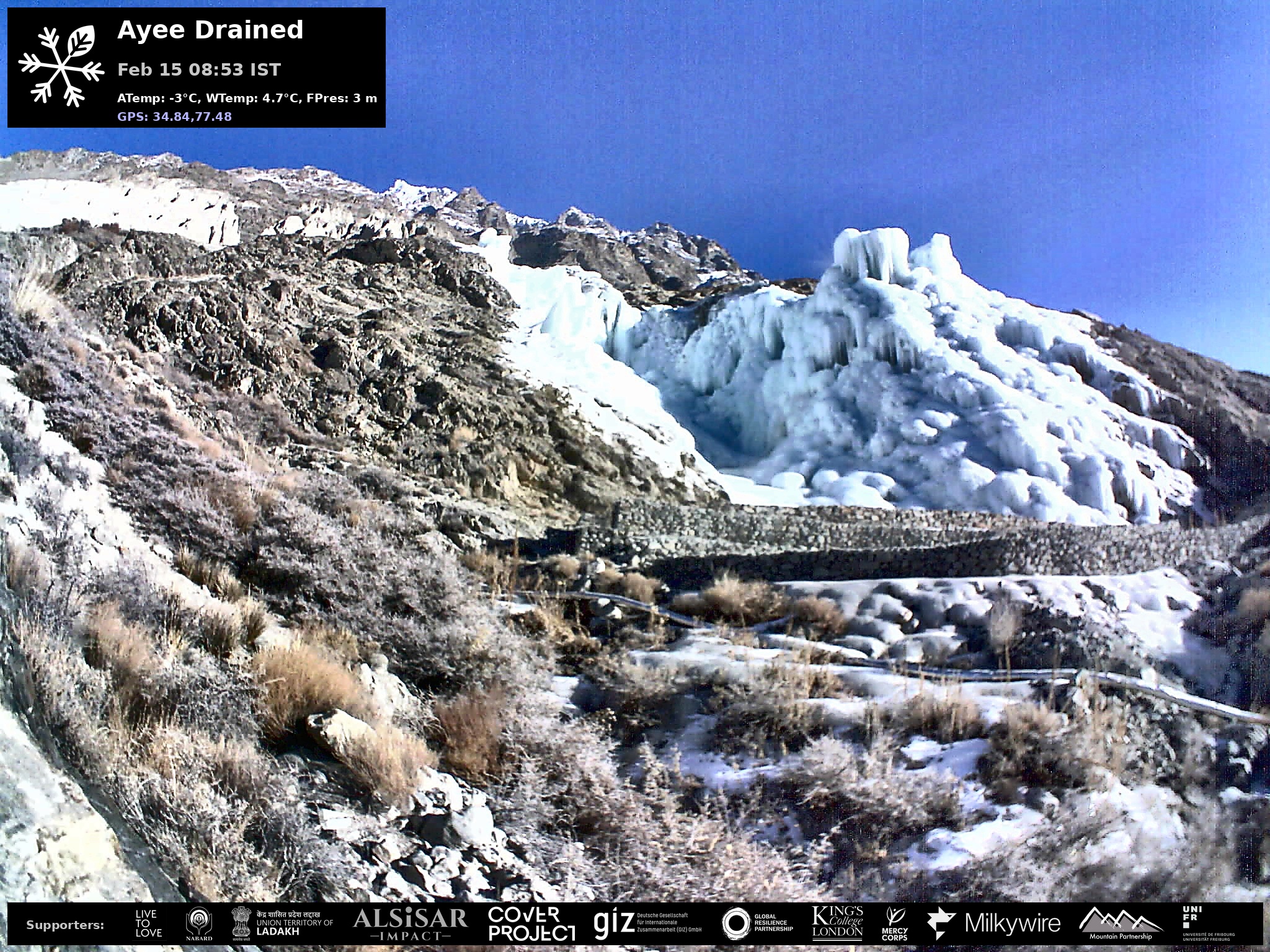
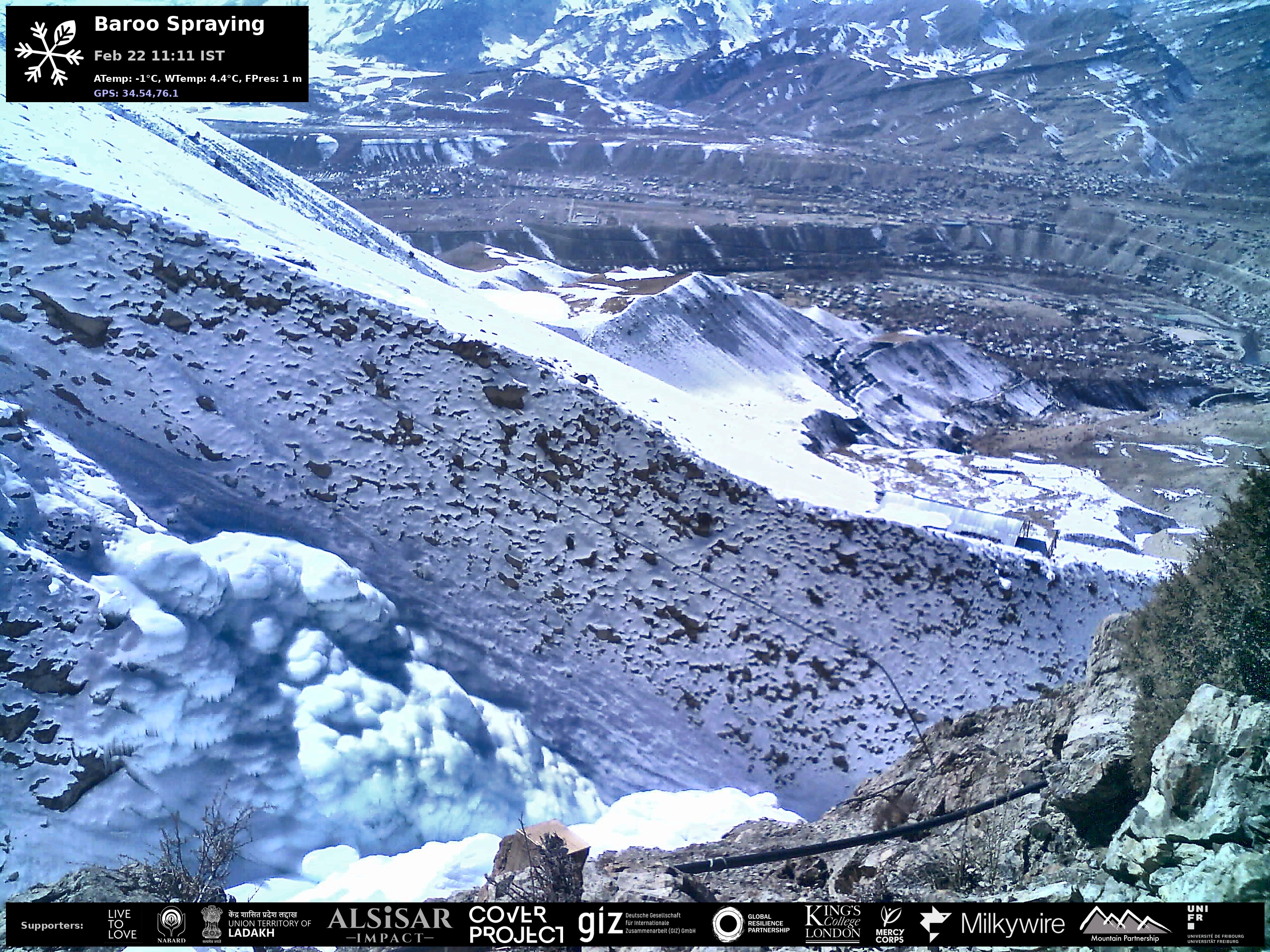
AIR is an automated ice-storage system for regions where winter water availability exceeds summer demand.

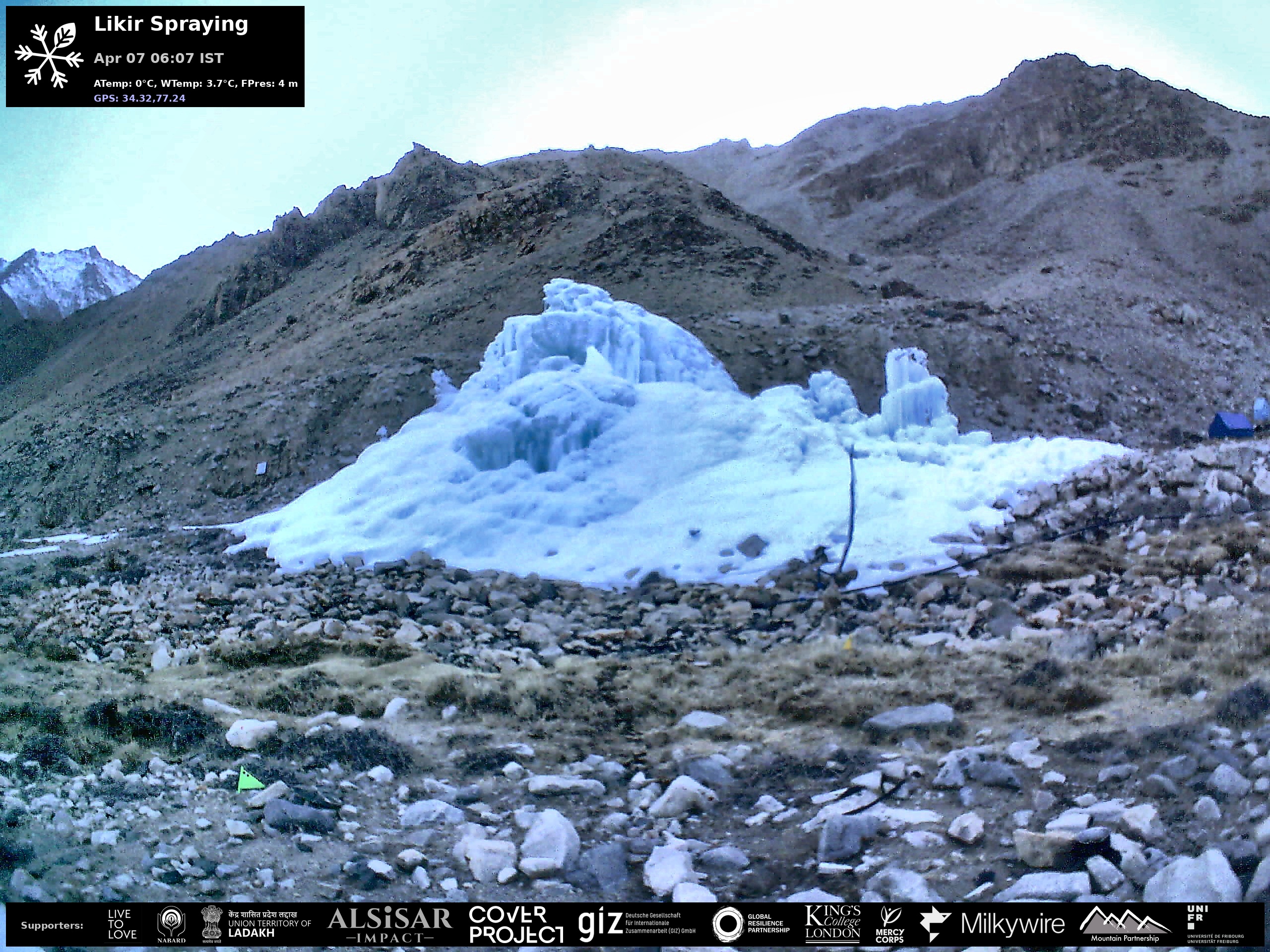
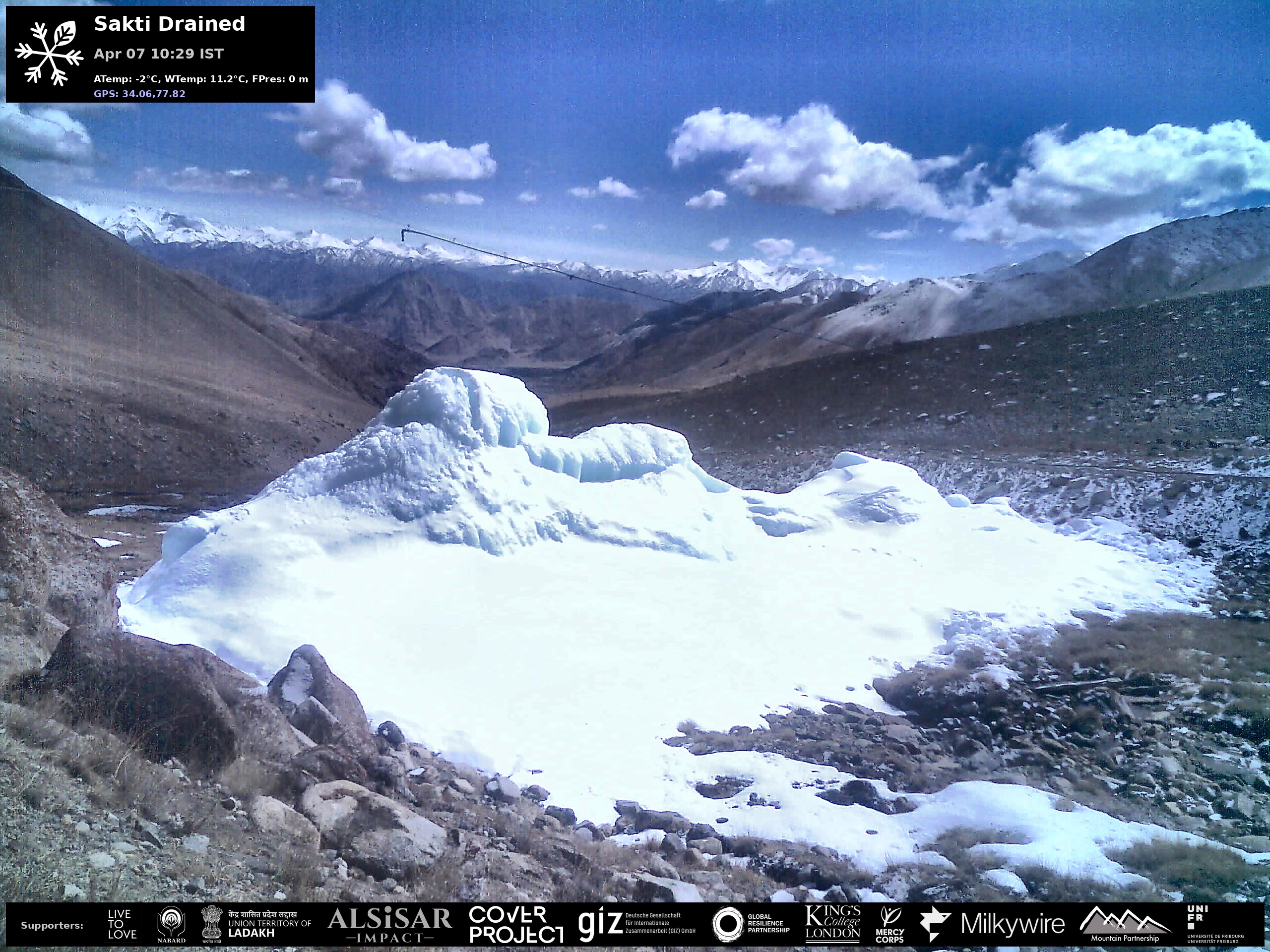
It captures winter flow, regulates freezing behaviour, and releases meltwater during critical irrigation months, with performance monitored through integrated sensors and dashboards.

Problems AIR Alleviates

  • Seasonal water imbalance
  • Unpredictable glacier melt patterns
  • Labour-intensive traditional ice structures
  • Short irrigation windows
HOW AIR OPERATES
Step 1
1.

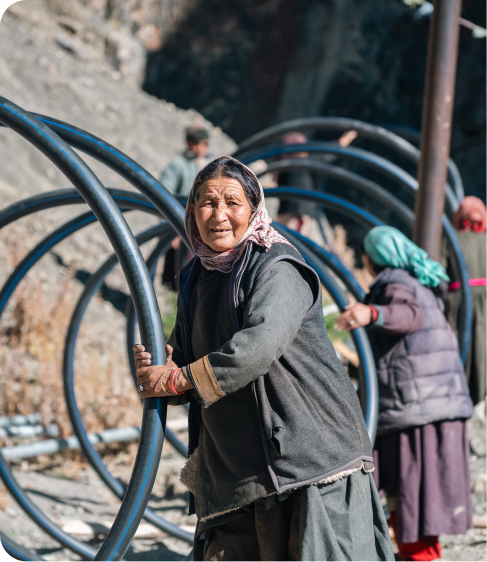
Winter water is channelled via gravity-fed pipelines
Step 2
2.

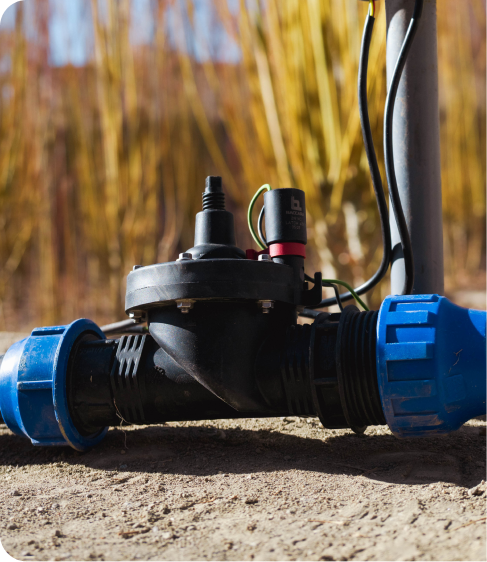
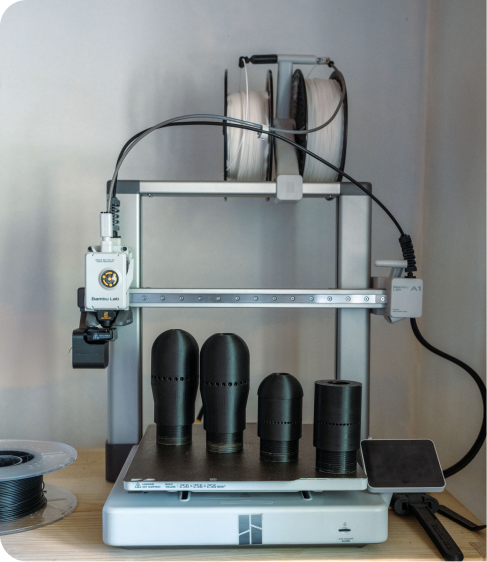
Automated valves and 3D printed fountains regulate freezing behaviour
Step 3
3.

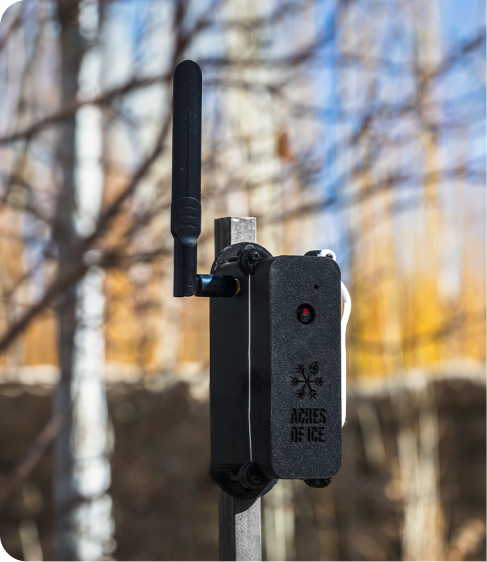
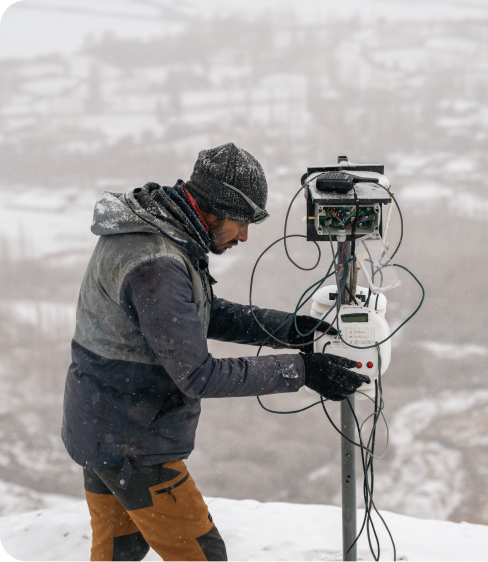
Sensors track weather and pipeline conditions

Step 4
4.

Meltwater releases during spring and early summere

Step 5
5.

Performance data feeds into a monitoring dashboard
Product Components

  • Structural hardware kit
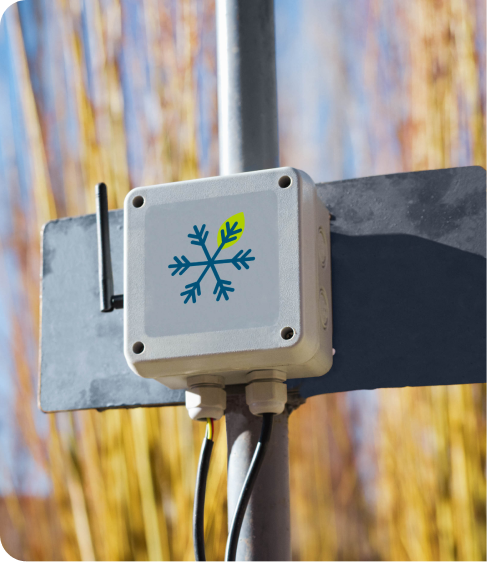
  • Sensors, valves, fountain systems and control module
  • Installation documentation
  • Operator training
  • Livestream camera
  • Dashboard access

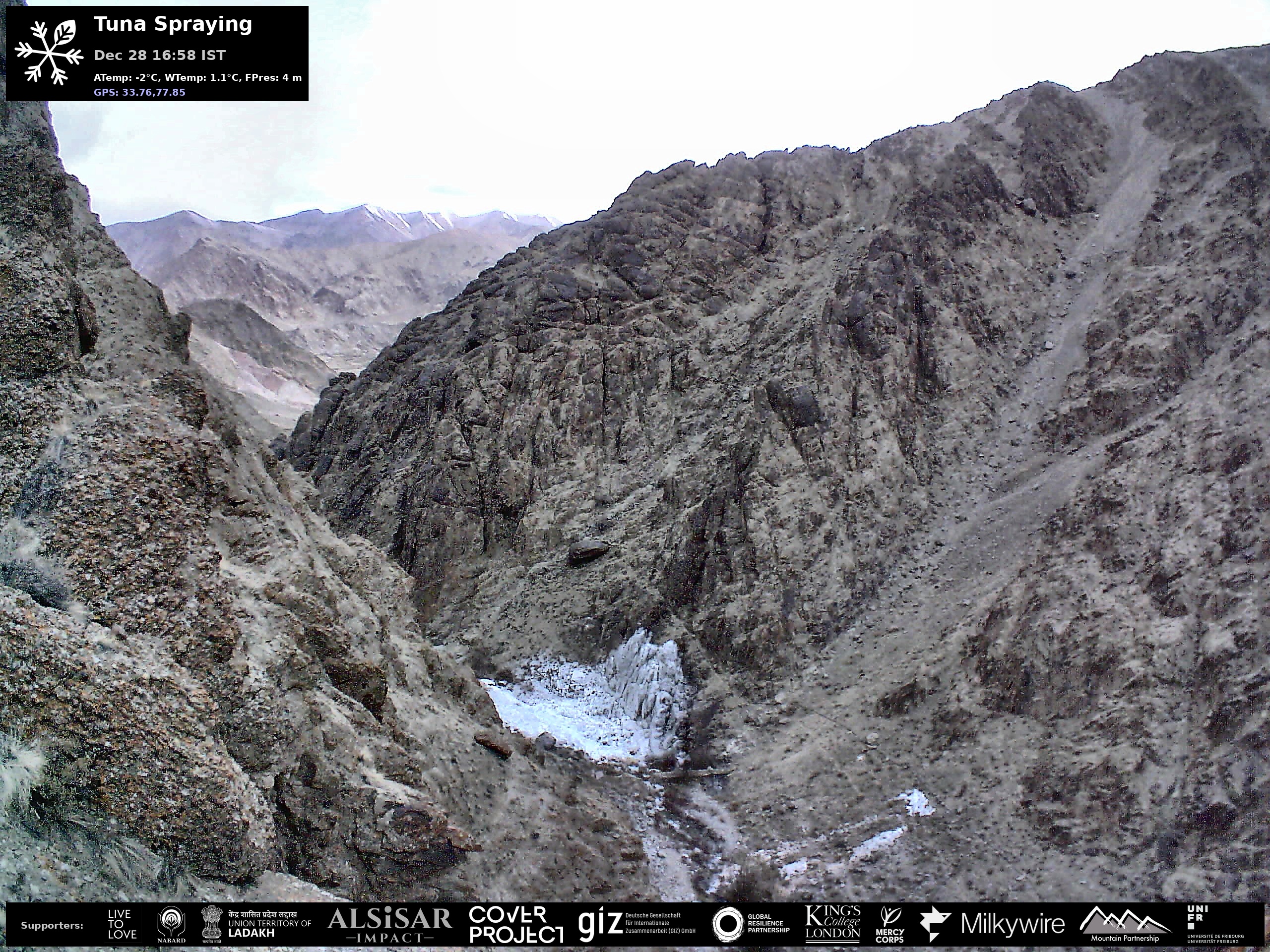
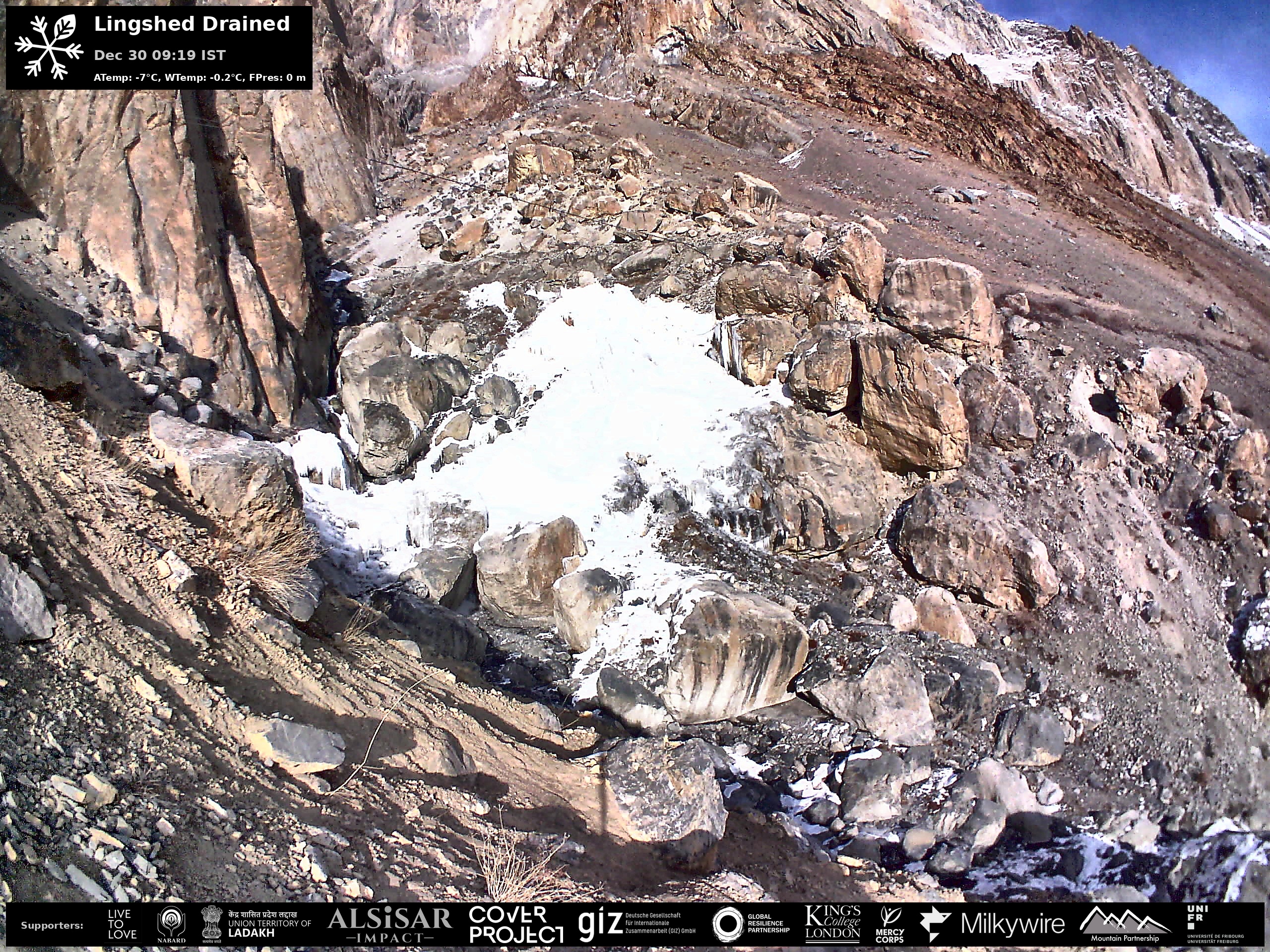
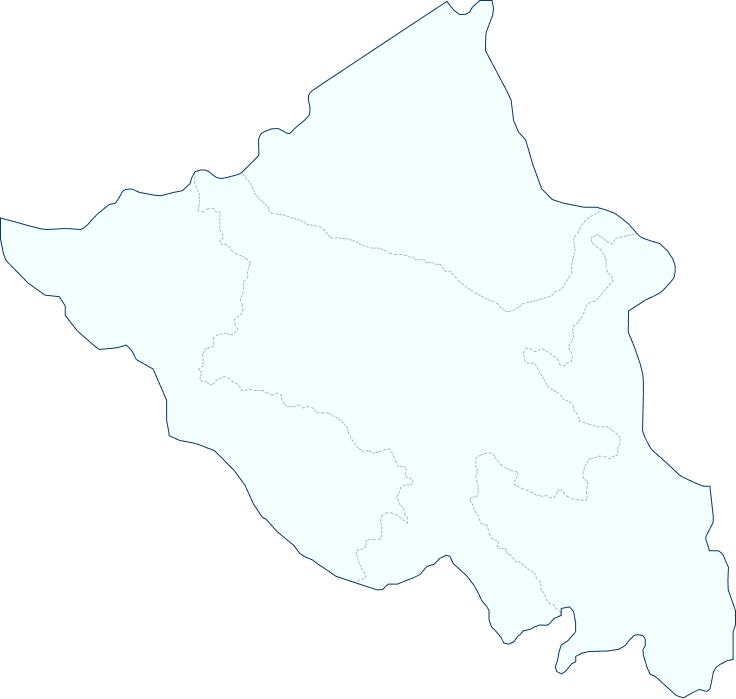
12 AIR sites across Leh and Kargil districts in the 2025–26 season.

18.4 million litres stored in the 2024–25 season (7 monitored sites).

AIR SITES

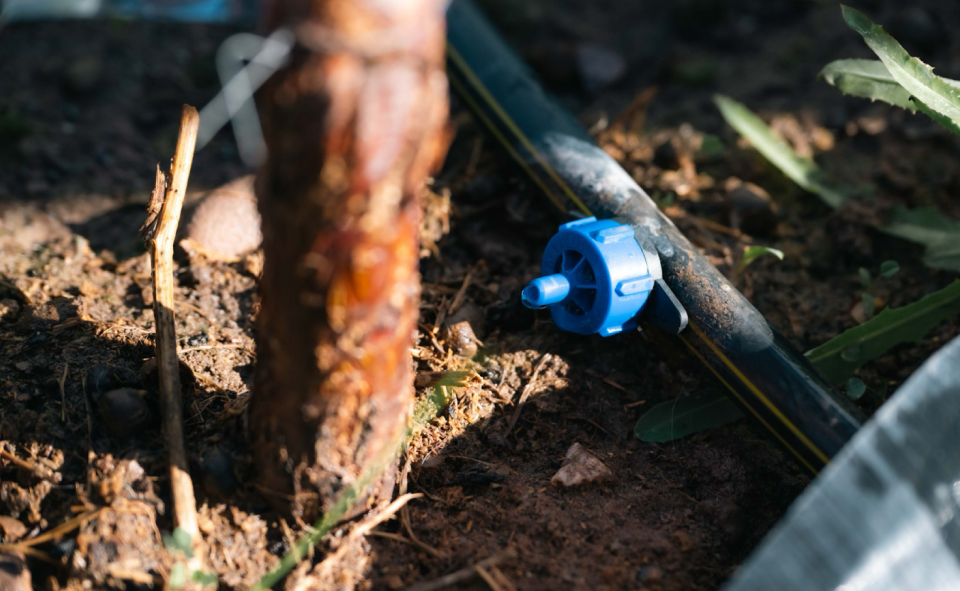
AIS is a sensor-driven irrigation system to optimise water use in water-scarce agricultural environments.

It combines field-level sensing, automated valve control, and remote monitoring into a unified irrigation system.

Problems AIR Alleviates

  • Water loss from flood irrigation
  • Soil degradation
  • Over-extraction of groundwater
  • Manual irrigation labour burden
System Architecture
Step 1
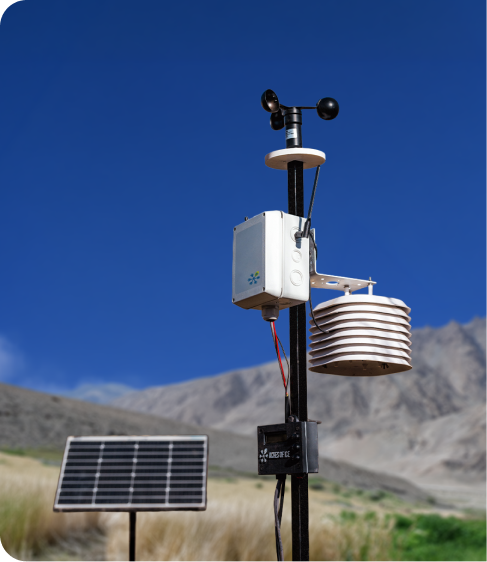
Weather Station

Collects temperature, pressure, wind, and environmental data.

Step 2
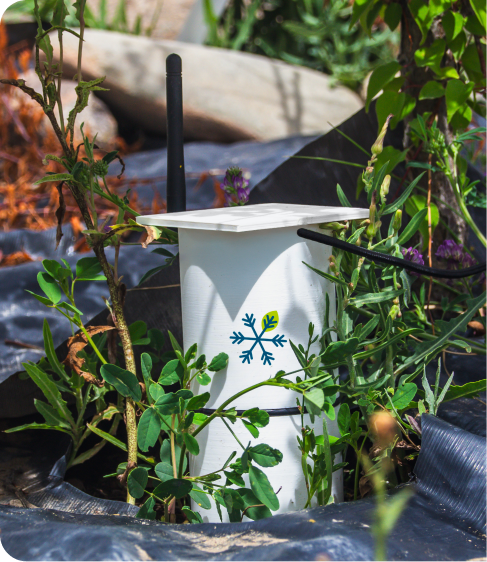
Soil Moisture Sensors

Monitor root-zone conditions and trigger irrigation cycles.

Step 3
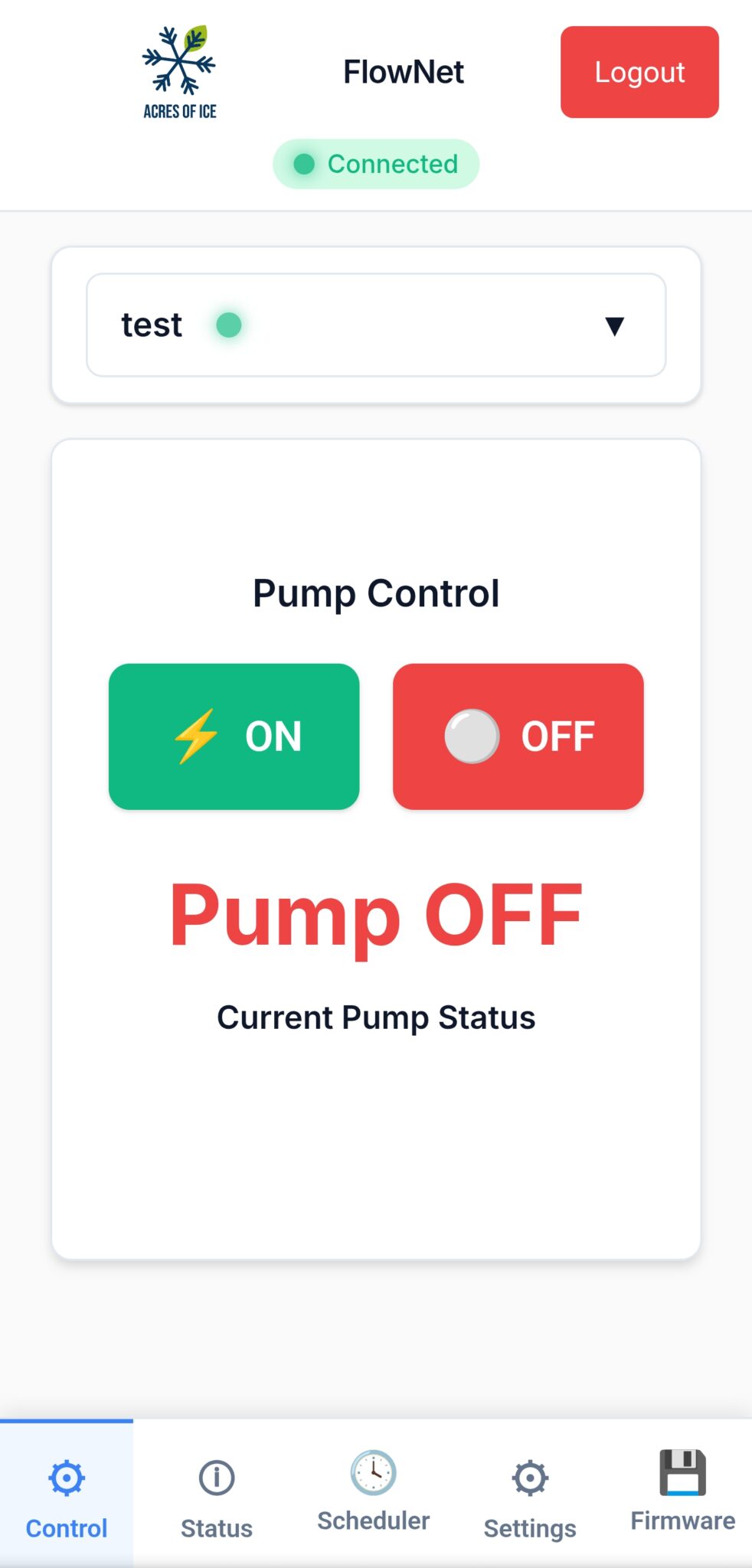
FlowNet Pump Controller

Activates/deactivates pumps based on sensor inputs or remote commands.

Step 4
FlowNet Valve Controller

Operate solenoid valves to regulate irrigation flow.

Step 5
Camera Module (Optional)

Captures field images via scheduled or remote activation.

Step 6
Mobile Dashboard Interface

Displays real-time sensor readings to remotely control pumps and valves.

Product Components

  • Structural hardware kit
  • Sensors, valves, and control module
  • Installation documentation
  • Operator training
  • Livestream camera
  • Dashboard access

Piloted in Saspol (Leh).

Institutional deployment at Ladakh University / SKUAST.

Operational Logic

  1. Sensors collect real-time environmental and soil data
  2. Data is processed and stored for analysis
  3. Irrigation is triggered automatically based on thresholds
  4. Manual override is available via mobile dashboard

Observed Performance

60–70% reduction in water use

70–80% reduction in irrigation labour

AIR and AIS operate as complementary systems — addressing seasonal storage and efficient distribution within a single water management framework.

Scroll to Top