
The Himalayan water paradox.
Too much water in winter. Too little when
it’s needed most.
Acres of Ice builds seasonal ice reservoirs that convert winter surplus into a reliable summer supply.
Seasonal water supply and agricultural demand do not align
Automated
Ice Reservoir (AIR)
Stores winter water as monitored ice structures
Pipelines redirect glacial/spring water to hanging fountain pipelines using only gravity.
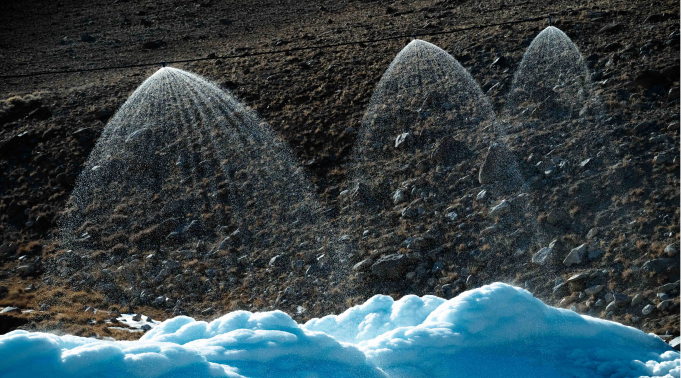
Location - Sakti, Leh
Water freezes during winter forming monitored ice reservoirs.
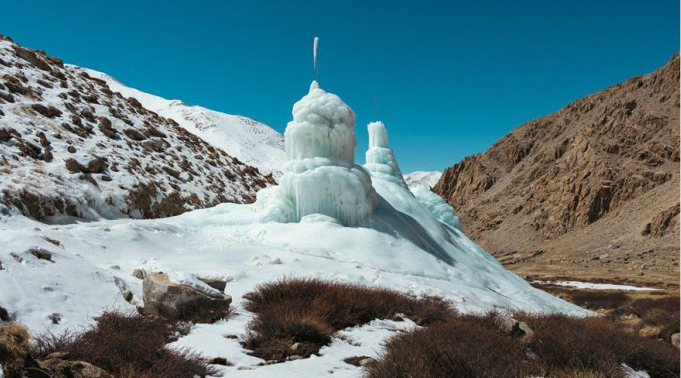
Location - Sakti, Leh
Ice slowly melts during spring releasing water for agriculture.
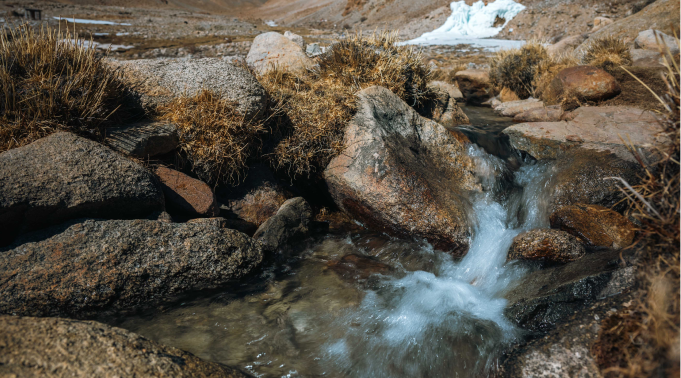
Location - Sakti, Leh
Automated Irrigation System (AIS)
Delivers water precisely when and where crops need it
Weather, soil and water sensors inform farm and pipe conditions.
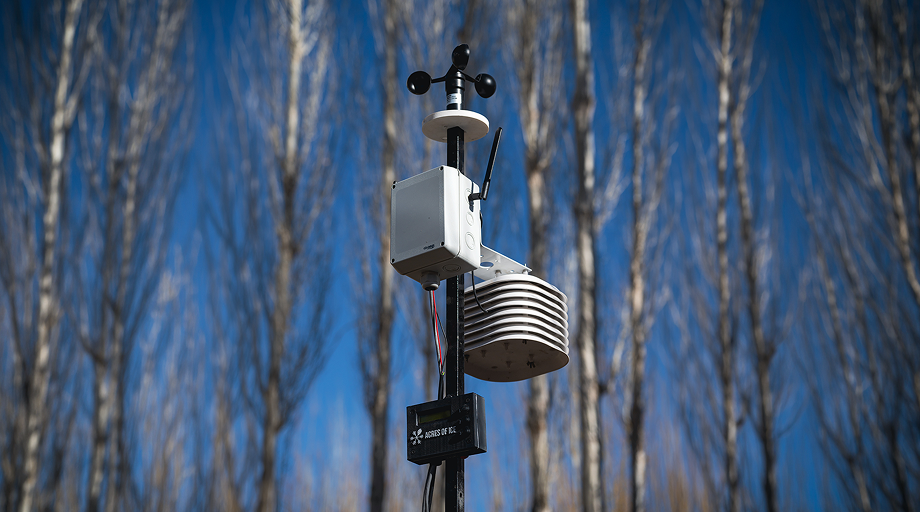
Location - Saspol, Leh
Irrigation decisions are automatically made every minute using sensor intelligence. Alternatively, farmer schedules manual irrigation through our mobile app.
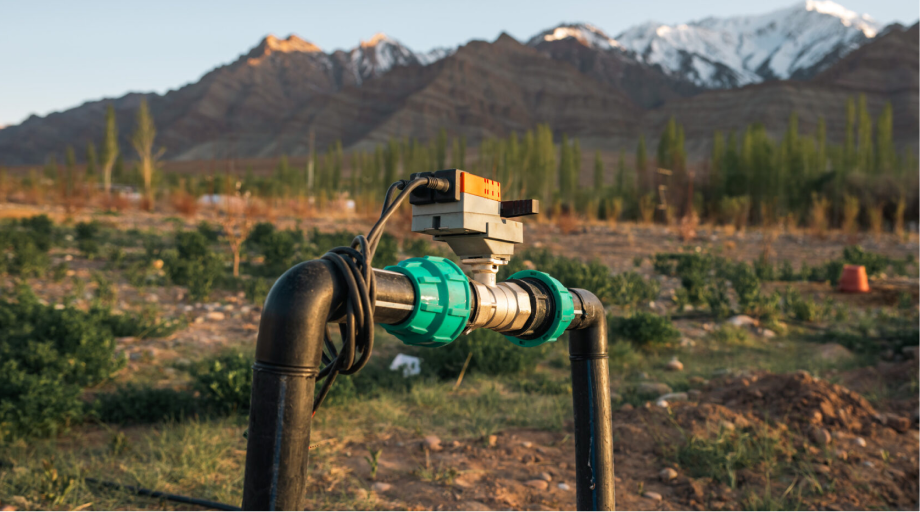
Location - Saspol, Leh
FlowNet controllers turn pump on and rotate valves to direct water to all plots while reporting current status and any errors via mobile notifications.
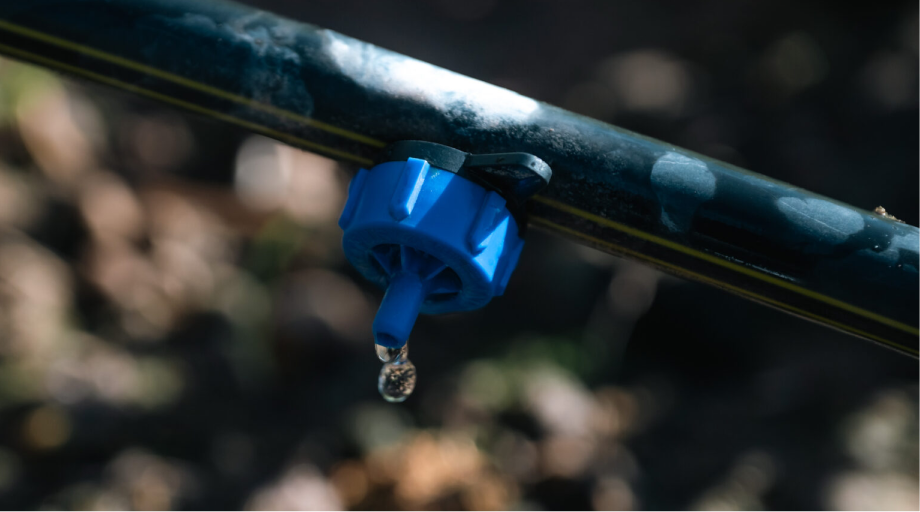
Location - Saspol, Leh
Every deployment
is monitored, documented,
and evaluated across seasons.
Designed for cold, high-altitude regions with seasonal water imbalance.
Future Deployments
Andes.
Hindu Kush Himalayas.
Alps
Future Deployments
Andes.
Hindu Kush Himalayas.
Alps
Engineered for replication across similar climatic zones
Water Governance
Village-level committees oversee seasonal allocation and monitoring.
Live Monitoring
Sensors track weather, soil and pipeline conditions and report status and errors across all sites.
Operational Employment
13 trained local operators maintained 7 sites during the 2024-2025 again.
Seasonal Reporting
Technical reports, datasets, and documented performance metrics.
Open Data Philosophy
Designed for transparency, reproducibility, and peer review.

